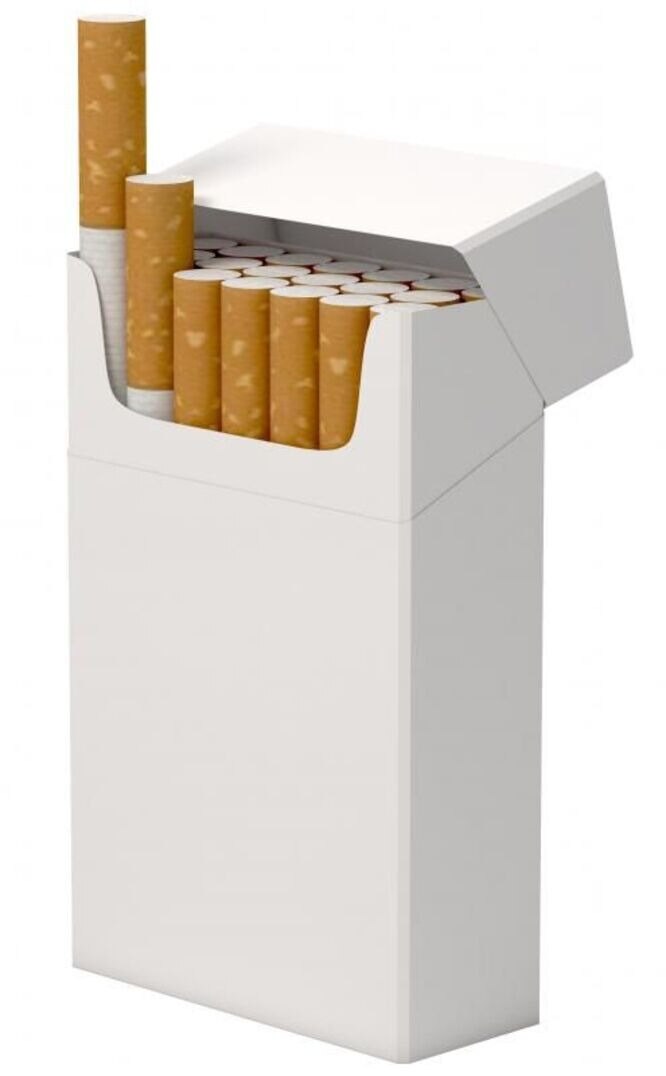
A flavour that works in a cigarette, hookah product or confectionery may fail inside a low-moisture nicotine pouch. You will learn how to choose the right flavour format, set up pilot trials, assess performance through the full use period and verify whether a Delhi NCR supplier can reproduce the result at bulk scale.
Key takeaways
- Test flavour in the finished pouch, not only in water or concentrate.
- Match the flavour format to the pouch matrix and addition equipment.
- Control dosage, moisture and pH together to reduce nicotine harshness.
- Request licence, specifications, samples and batch documents before buying bulk.
What makes a flavour suitable for a nicotine pouch
A nicotine-pouch flavour must release in a low-moisture, usually cellulose-based matrix and remain balanced as saliva wets the pouch. It needs enough impact to soften nicotine bitterness and alkaline irritation without creating burning, excessive cooling or a chemical aftertaste. Test the flavour in the finished pouch, not only in a flavour concentrate or water solution.
| Application | Designed for | Why it differs from a nicotine-pouch flavour |
|---|---|---|
| Snus | Moist tobacco, tobacco volatiles and a tobacco-specific matrix | A snus flavours manufacturer may build around tobacco notes and higher moisture; those assumptions can bind or distort flavour in a tobacco-free cellulose pouch. |
| Cigarettes | High-temperature combustion and rapid smoke delivery | Heat-stable, smoke-perceptible notes can taste harsh or disappear during oral release. |
| Hookah products | Heated tobacco or molasses, smoke and long inhalation | Dense, syrupy profiles can become cloying in a small pouch without smoke dilution. |
| Mouth fresheners | Immediate flavour burst and short contact | Strong mint or menthol can overcool the mouth during prolonged pouch use. |
| Confectionery | Sweetness, aroma and pleasant eating texture | Candy-like flavour can magnify nicotine bitterness and become tiring when held against the gum. |
Ask the supplier to identify natural flavouring substances, nature-identical or synthetic ingredients, carriers and processing aids. Food-flavour compliance does not authorise manufacture or sale of a nicotine pouch; obtain a separate India-specific legal review. “Natural” also does not mean tobacco-free, safer or exempt from product regulation.
Choose the flavour format and addition method for the pouch matrix
Put flavour in the nicotine-fill matrix when you need consistent saliva release throughout use; treat the pouch material when you want aroma at the pouch surface; apply flavour to the finished pouch only for a short-lived external note. Surface application can evaporate, transfer to packaging or create uneven intensity.
Do not treat oil-soluble and water-soluble as separate from liquid formats. Both can be supplied as liquids, while spray-dried and encapsulated systems are usually powders designed for dry handling and controlled release.
| Option | Best addition point | Main trade-off |
|---|---|---|
| Liquid flavour | Matrix, sprayed onto a moving dry blend | Fast release, but migration, evaporation and hot spots are risks |
| Oil-soluble flavour | Matrix containing a compatible carrier or treated pouch material | Strong persistence, but poor dispersion in water-rich areas can cause unevenness |
| Water-soluble flavour | Matrix where saliva-driven release is the priority | Clean onset, but moisture uptake can destabilise the blend |
| Spray-dried flavour | Dry matrix before final mixing | Better flow and handling, but carrier taste, dusting and slower onset need testing |
| Encapsulated flavour | Matrix or pouch material for delayed or staged release | Protects volatile notes, but may reduce early impact and raise cost |
For a low-moisture pouch, add liquid systems through controlled spraying rather than pouring them into one spot. Use spray-dried or encapsulated systems when volatility, migration or rapid flavour loss defeats a liquid concentrate. Treat the pouch material only after confirming that the carrier will not weaken fibres, alter seal strength or block saliva wetting.
Judge every choice in the finished pouch at intended age, not from neat concentrate or a blotter.
Control dosage, moisture, pH and nicotine harshness together
Set a screening ladder at 0.05%, 0.10% and 0.20% flavour by weight of finished fill. Treat these as pilot points, not universal doses: nicotine strength, flavour potency, salt, sweetener and moisture shift perceived intensity and irritation.
Lock the matrix before judging flavour. Record nicotine form and level, fibre or filler, pouch material, salt, sweetener, target moisture, pH range and shelf life. A cellulose pouch with low moisture releases flavour differently from a wetter tobacco matrix.
- Prepare a 10% flavour stock in a carrier compatible with the fill and pouch. Confirm that the carrier will not leave excess moisture or weaken the pouch.
- Preblend the stock into a small portion of filler, then add that premix to the remaining batch. This prevents local hotspots that taste harsh.
- Mix for 10–15 minutes under low shear, then seal the batch and sample after 24 and 72 hours. Use the same moisture and temperature for every pilot.
- Measure pH on a defined water extract or slurry, not on dry powder alone. Hold the agreed alkaline range; raising pH increases free nicotine but also increases alkalinity, burning and flavour imbalance.
- Keep nicotine level, salt, sweetener and moisture constant while comparing doses. Changing them together hides the cause of harshness or flavour loss.
- Test filled pouches made from the intended material. A neat concentrate or water solution cannot predict wetting, release, nicotine bite or aftertaste.
Test flavour performance from first wetting to final aftertaste
Compare complete pouches, not neat concentrate or blotter strips, at the intended pouch age and under realistic saliva wetting. Score each profile at first wetting, flavour onset, peak, mid-use, final aftertaste, bitterness, irritation and persistence.
| Profile | Onset and peak | Mid-use and persistence | Irritation, bitterness and aftertaste |
|---|---|---|---|
| Mint | Fast aroma; moderate peak | Clean, cooling finish; short to medium persistence | Low irritation; can turn green or bitter |
| Menthol | Fast aroma and sharp cooling peak | Strong, lingering cooling; crisp finish | Can sting; may leave a medicinal aftertaste |
| Cooling agent | Cooling may lag aroma; high peak possible | Long cooling with little flavour; very persistent | Can feel cold or numb; may expose bitterness |
| Citrus | Bright, rapid onset; medium peak | Acidity-like lift fades quickly | Alkalinity can flatten it; peel notes may linger bitterly |
| Berry | Sweet-fruit onset; rounded peak | Jammy or sour mid-use; medium persistence | Sweetness can mask harshness, then reveal it in the finish |
| Coffee | Slower onset; roasted peak | Roasted, cocoa or burnt notes persist | Bitterness rises with nicotine harshness |
| Tobacco | Moderate onset; earthy peak | Dry, woody character; long persistence | Can amplify alkaline harshness and stale aftertaste |
| Spice | Rapid aromatic impact; intensity can mislead | Warmth persists after aroma falls | Cinnamaldehyde-like materials can increase tingling and irritation sharply |
Ask the nicotine pouch flavour supplier to record separate sensory scores for aroma, flavour and cooling. Test at least one full-use interval and repeat after storage; increasing spice impact is not the same as improving flavour quality. Supplier records should also identify whether cooling comes from menthol or agents such as WS-3 or WS-23.
How to evaluate a Delhi NCR flavour manufacturer before buying in bulk
Do not treat the phrase “high quality flavours for nicotine pouches in delhi ncr” as evidence. Compare a trader offering catalogue concentrates with a manufacturer that can modify the flavour for your pouch process and reproduce it across lots.
1. Request a batch-specific certificate of analysis, ingredient and carrier disclosure, allergen statement, residual-solvent data where relevant, microbiological limits, heavy-metal controls, shelf life, storage conditions and retained-sample policy. The certificate must distinguish natural flavouring substances, nature-identical or synthetic ingredients, carriers and processing aids.
2. Require a small pilot using your actual nicotine level, pH, moisture, salt, sweetener, pouch material and addition method. Ask for dosage, mixing conditions, equilibration time and sensory results from first wetting through aftertaste. Test the complete pouch; cinnamaldehyde-heavy cinnamon profiles can irritate even when odour intensity seems correct.
3. Ask for stability evidence at the intended packaging and storage conditions, with results for flavour loss, colour, separation, moisture movement and pouch odour. One fresh sample proves little; request data from retained samples or repeat lots.
4. Confirm manufacturing location, minimum order quantity, lead time, batch numbering, lot traceability, change-control procedure and re-order matching. A supplier who changes a carrier or aroma material without notice can alter release and irritation.
A manufacturer such as Khattri Aromas LLP should be assessed against these records and trials, not catalogue language. Also separate food-flavour compliance from approval to manufacture or sell a nicotine product; obtain an India-specific legal review.
Related product
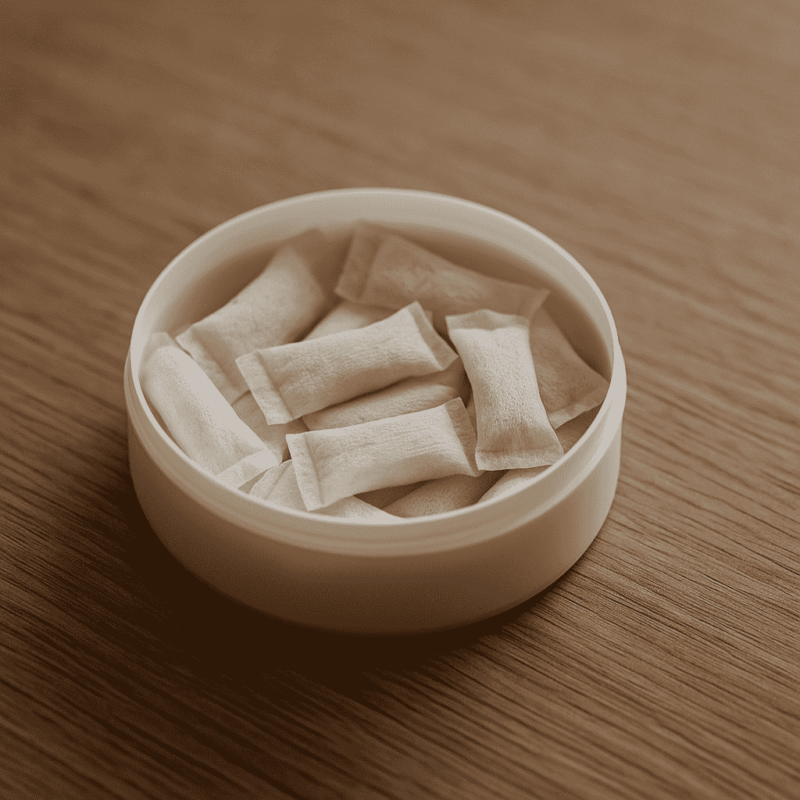 | Flavours Snus Flavours Snus and modern smokeless nicotine pouches represent one of the fastest-growing segments within the broader tobacco and nicotine products industry,... |
Frequently asked questions
What makes a flavour suitable for a nicotine pouch?
A suitable flavour releases through the low-moisture cellulose matrix, balances nicotine bitterness and alkaline irritation, and avoids burning, excessive cooling or chemical aftertaste.
How should you choose a flavour format for the pouch matrix?
Choose the format according to the matrix, moisture level and addition method. Compare liquid, water-soluble, oil-soluble and encapsulated options for uniform mixing, release and equipment compatibility.
Which variables must be controlled with flavour dosage?
Control flavour dosage alongside pouch moisture, pH and nicotine level. Changing one variable can alter perceived harshness, release rate, cooling intensity and aftertaste.
How do you evaluate a Delhi NCR flavour manufacturer before buying in bulk?
Request finished-pouch samples, technical specifications, allergen and safety information, batch documentation, minimum order details and evidence that the supplier can reproduce the approved profile.