


A flat, bitter, stale, metallic or weak savoury profile does not always mean the flavour is missing. By separating flavour defects from problems in oil, heat, moisture, seasoning distribution, ingredients and packaging, you can decide whether to reformulate the flavour, correct the process or reject flavour addition altogether.
Key takeaways
- Separate perception defects from food-safety failures before adding flavour.
- Record recipe, process temperatures, storage time and the exact taste fault.
- Test corrections in the finished food at realistic use levels.
- Change recipe, process or packaging when flavour cannot fix the root cause.
Which savoury problems can a flavour supplier actually fix?
A supplier can correct perception defects, not food-safety failures. Describe the fault precisely: weak aroma, flat roast character, short aftertaste, excessive bitterness, burnt seasoning notes, stale spice character, metallic aftertaste or poor savoury impact.
Test the failing sample against a retained or agreed benchmark at the intended serving temperature and dilution. Compare aroma intensity, first-bite impact, taste balance, mouthfeel and aftertaste before adding flavour.
| Problem | What to investigate | Possible flavour role |
|---|---|---|
| Weak aroma or poor impact | Volatile loss, low release, uneven seasoning | Restore top notes or savoury lift |
| Flat roast or short aftertaste | Heat exposure, low-impact profile, poor retention | Add roast depth or lasting notes |
| Bitterness or metallic finish | Botanicals, hydrolysates, minerals, oxidation | Balance perception after root-cause testing |
| Burnt or stale spice character | Frying temperature, oil oxidation, storage | Correct or round the note, not conceal damage |
Then separate flavour loss from frying temperature, oil oxidation, raw-material variation, moisture migration, uneven seasoning and storage. Oxidised oil, contamination, rancidity and microbiological hazards require corrective action through the product’s HACCP or preventive-control system; masking them with flavour is unsafe.
The right food and beverage flavour supplier for savoury food in lucknow diagnoses the matrix and process first. A stronger flavour is appropriate only when the defect is sensory, the finished food remains safe, and the correction survives its actual processing conditions.
What information should you collect before requesting a correction?
A correction request needs a technical brief, not a request to “make it stronger.” A savoury food flavour supplier in Lucknow needs the finished product and its benchmark to separate aroma loss from a taste, texture or stability defect.
1. Send the failing batch and benchmark sample together. Record each batch number, manufacture date and storage history, including temperature, humidity and time since packing.
2. Describe the food precisely: full ingredient declaration, product format, target sensory profile, seasoning blend, salt level, fat type, pH, moisture or water activity and intended shelf-life. Include whether flavour is added before or after seasoning, cooking or packing.
3. Record frying, baking, extrusion, drying, cooking or retort temperatures and residence times. State the pack format—laminate, pouch, bottle, tray or another material—plus oxygen exposure, storage temperature and humidity.
4. State allergen restrictions, vegetarian or halal requirements, permitted claims and clean-label expectations. Ask the supplier to check the proposed flavour, carrier and food category against current Food Safety and Standards Authority of India requirements.
This record lets the supplier test whether the problem is weak aroma or a process, formulation or storage failure. Without it, a “custom” sample may be a generic concentrate in a convenient carrier, not a solution designed for your finished food.
How should a savoury flavour correction be tested in the finished food?
Test the correction in the finished food through controlled bench trials, never by tipping an unmeasured amount into a production batch.
1. Prepare low, middle and high use levels alongside the original product and the agreed benchmark. Code the samples, evaluate them blind, and serve each at the intended temperature and dilution. Record aroma, first-bite impact, taste balance, mouthfeel and aftertaste.
2. For chips, namkeen and extruded snacks, apply the flavour through the actual seasoning carrier, then inspect coverage after tumbling. Uneven coverage can look like weak flavour while the real failure is carrier choice, spray rate or tumbler performance.
3. For instant noodles, soups, sauces and ready-to-eat foods, test water dispersibility, pH tolerance, salt interaction and heat exposure. Check oil compatibility for fat-based applications and shear tolerance after high-speed mixing.
4. For fried or extruded products, measure flavour retention after the real process, not in an unheated slurry. A top-note aroma that disappears during frying, extrusion or retort processing may need post-process addition, staged addition or an encapsulated system.
5. Encapsulation can protect volatile notes and improve handling, but delayed release can make the first bite seem weaker. Record dosage, carrier, temperatures, residence time, mixing speed and sensory scores for every trial. This evidence lets suppliers developing custom savoury food flavours in India adjust the finished application rather than merely strengthen a laboratory concentrate.
When should you change the recipe, process or packaging instead of adding flavour?
Change the recipe, process or pack when the defect originates there; adding flavour to a structural fault raises cost without removing the cause.
| Option | What it changes | When it applies |
|---|---|---|
| Flavour correction | Aroma, characteristic notes and aftertaste | Aroma is weak after the formulation and process are sound |
| Spice or seasoning blend | Spice identity, particle distribution and coverage | Seasoning is dull, burnt, stale or patchy |
| Oil or process | Oil quality, heat exposure and flavour retention | Oxidised-oil notes or process-driven bitterness appear |
| Packaging | Moisture and oxygen protection | Staleness develops during storage |
| Taste contributors | Salt, acidity, umami and texture | Salt perception or mouthfeel is unbalanced |
For an oxidised-oil note, correct oil quality, frying temperature, oxygen exposure and storage before masking it. For patchy seasoning, check particle size, carrier, spray rate and tumbler performance; a stronger flavour cannot compensate for poor distribution.
If moisture migration causes staleness, review barrier properties, seal integrity and warehouse temperature and humidity. If salt perception is excessive, increasing flavour dosage can increase cost and aftertaste; balance salt with aroma, acidity, umami ingredients and texture instead.
Glutamate can work synergistically with 5′-ribonucleotides such as IMP or GMP. Yeast extract, hydrolysed vegetable protein, mushroom notes or other savoury ingredients suit different label requirements and applications.
Khattri Aromas LLP, a savoury flavour manufacturer in Lucknow, is useful when its application trials compare these routes rather than treating flavour as the automatic answer.
Related product
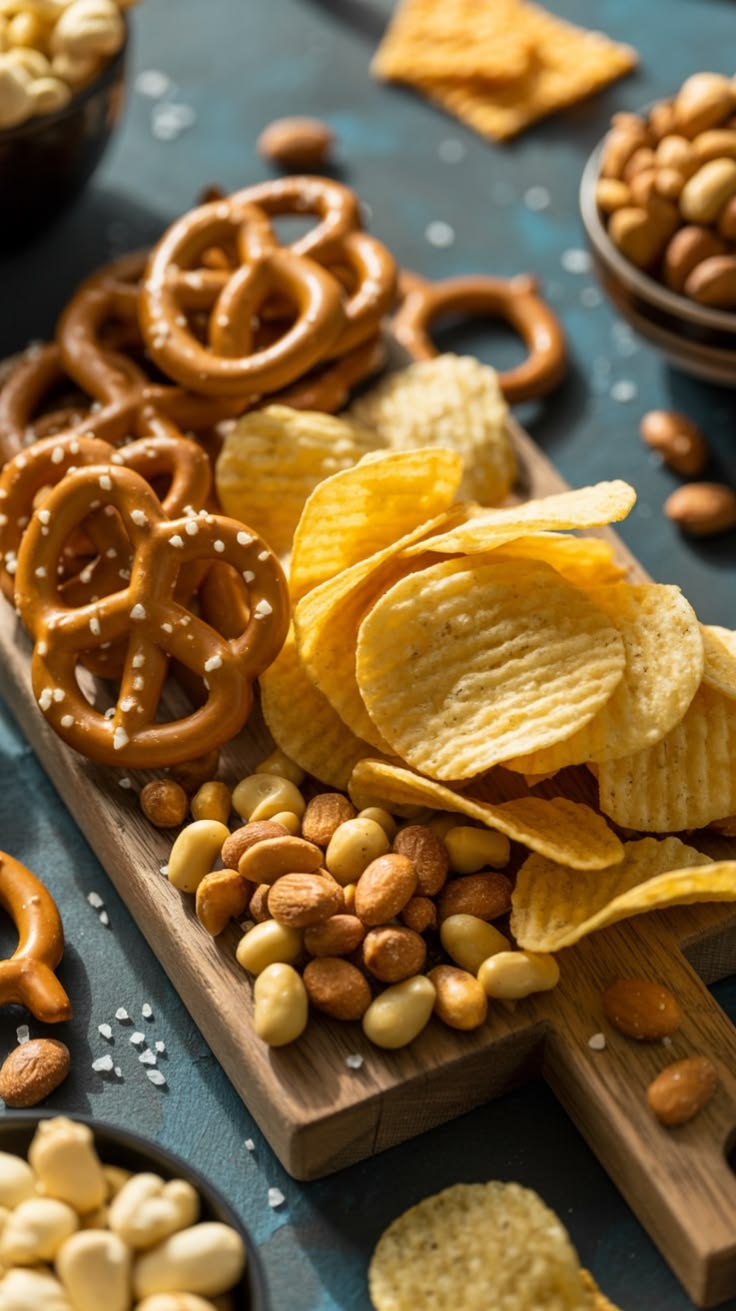 | Flavours Savoury food The savoury food and snacks category is one of the largest and most dynamic segments of the global packaged food industry, encompassing everything... |
How do you judge whether the correction is stable, affordable and compliant?
A correction earns approval only when it survives the finished product, meets the label brief and costs less in use than the process or packaging change it replaces. A low concentrate price proves little if the required dosage is high.
1. Calculate cost per kilogram of finished food at the proposed dosage, then compare low, middle and high use levels. Record changes in aroma intensity, salt perception, heat perception, bitterness and lingering aftertaste; a stronger note can create a new defect.
2. Repeat the trial after the intended shelf-life simulation, using the actual process and final pack. Check whether the correction remains recognisable after heat, shear, oxygen exposure and storage. If the defect returns, the formulation or process still needs investigation.
3. Request a batch-to-batch specification, traceability records, minimum order quantity, lead time, allergen statement and carrier details. Confirm that the supplier can reproduce the approved sensory profile, not merely provide one successful laboratory sample.
4. Check the proposed system against the declared food category and current Food Safety and Standards Authority of India requirements for flavouring agents, additives and labelling. Treat natural flavouring substance, nature-identical, artificial, natural and seasoning as separate regulatory and labelling questions.
Approve the correction only when it fits the ingredient restrictions and permitted claims, remains stable in the final pack and delivers the required sensory effect at an acceptable cost. A returning defect during stability testing means the supplier has not fixed the problem.
Frequently asked questions
Which savoury taste problems can a flavour supplier fix?
A supplier can address perception defects such as weak aroma, flat roast character, short aftertaste, excessive bitterness, burnt seasoning notes, stale spice character, metallic aftertaste and poor savoury impact. Do not use flavour to hide microbial spoilage, rancidity, unsafe contamination or a failed food-safety control.
What information should you collect before requesting a savoury flavour correction?
Send the exact product formula, ingredient specifications, batch process, cooking or drying temperatures, pH, water activity if measured, packaging format, storage conditions, shelf-life age and a retained sample. Describe when the fault appears, such as immediately after production or after four weeks, and identify the target product or sensory reference.
How should a savoury flavour correction be tested in the finished food?
Test the proposed flavour in the complete finished recipe, not only in water or a carrier. Prepare an untreated control and several dosage levels, then compare aroma, first taste, body, aftertaste and off-notes after the product reaches its normal serving temperature. Repeat the test after the relevant cooking, filling, drying and storage steps.
When should you change the recipe, process or packaging instead of adding flavour?
Change the recipe when salt, fat, acid, umami ingredients or spice balance is wrong. Change the process when overheating, insufficient browning, oxidation or uneven mixing creates the defect. Change packaging when oxygen, light or moisture causes stale spice notes, aroma loss or rancidity. A flavour addition is not a substitute for correcting those causes.
How do you judge whether a savoury flavour correction is stable, affordable and compliant?
Compare treated and control samples through the intended shelf life and after the product’s normal processing conditions. Calculate cost at the actual dosage per kilogram of finished food, then check label declaration, permitted flavouring status, allergen impact, specifications, batch traceability and supplier documentation for the destination market.