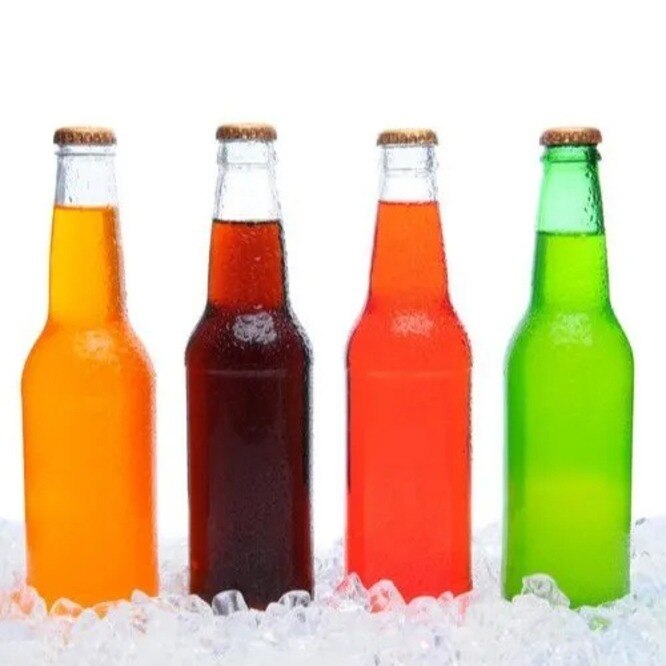
A flavour that tastes impressive in a neat sample can lose impact in milk, split in a beverage, or develop off-notes after processing. By the end, you will be able to compare flavour formats, specify a meaningful trial, verify supplier documentation, and approve a manufacturer on repeatable finished-product performance rather than the word “premium.”
Key takeaways
- Request finished-product samples, stability data and batch specifications.
- Match liquid, powder or emulsion formats to your application and process.
- Run controlled trials at target dosage, temperature and storage conditions.
- Approve bulk suppliers only after reviewing quality, compliance and supply documents.
What evidence proves a flavour manufacturer is high quality?
A high quality flavour manufacturer in Delhi NCR proves performance in your finished product, not through a brochure. Assess the flavour manufacturer in Delhi NCR with this evidence:
1. Send the target formula, pH, fat and protein content, sweetener system, processing temperatures, homogenization or carbonation conditions, packaging, shelf-life target, benchmark sample and expected annual volume.
2. Require testing in your actual matrix and process, followed by repeatability evidence from three production-scale lots. Request a specification sheet, batch number, manufacturing date, retest or expiry date, recommended storage temperature, carrier or solvent disclosure, allergen statement, FSSAI category and permitted-use status.
3. Collect the certificate of analysis, lot-traceability record and retained reference sample. Ask for hazard analysis, sanitation verification, foreign-body controls, corrective-action records and evidence from a recall test. ISO 22000 certification supports food-safety management; it does not prove that a flavour suits your recipe.
4. Reject an IFRA conformity document as food-flavour evidence: IFRA addresses fragrance use, not suitability for a dairy or beverage formula. Compare the current and proposed flavours through a controlled blind test, triangle testing and descriptive sensory scoring.
5. Approve only after pilot production, accelerated stability testing in the intended package and documented pass/fail results. Record sensory impact, oxidation, colour, separation and aftertaste at defined intervals; an analytical pass alone does not prove sensory shelf-life.
Which flavour format fits each dairy and beverage application?
Choose the format by matching the flavour carrier to the finished product. A top grade liquid flavour can still separate, cloud, evaporate or lose impact if its carrier does not suit the recipe.
| Format | Main behaviour | Best fit and risk |
|---|---|---|
| Water-soluble liquid | Accurate dosing and fast dispersion; low oil compatibility | Clear beverages, flavoured milk and yoghurt bases; check heat and volatility |
| Oil-soluble liquid | Strong fat-phase compatibility; can separate in water | Milkshakes, dairy desserts and fat-containing products |
| Emulsified liquid | Disperses oil evenly, adding cloud; improves visual uniformity | Cloudy fruit drinks; check separation, homogenization and heat stability |
| Solvent-carried liquid | Carrier improves solubility and handling; affects compatibility and flavour release | Products that need a specific solvent system; verify regulatory and process fit |
| Powder | Dry, transport-efficient and easier for premixes; needs controlled reconstitution | Powdered beverages and dry mixes; control moisture, dust and dosing |
| Encapsulated flavour | Protects volatile top notes during storage, heat or reconstitution | Long shelf-life or heat-processed products; validate release, mouthfeel and cost |
Liquids suit many flavoured milks, yoghurt, lassi, milkshakes and clear drinks when the carrier matches the matrix. Milk proteins, fat, minerals and homogenization alter release; acid, carbonation, pasteurisation, ultraviolet exposure and storage alter beverage performance. A flavour that works in water is not approved until it works in the finished product.
Compare cost in use, not price per kilogram:
- Validated dosage, dilution or premix requirement, yield, minimum order quantity, shelf life, freight and rejected-batch risk
Test the chosen format after the actual process and in the intended package.
How should you run a dairy or beverage flavour trial?
Start with the supplier’s recommended dosage window, not a universal number. A top grade liquid flavour is not the finished taste in its neat form: carrier, formula and process determine its strength and release.
Begin a small matrix at low, middle and high points around that window, then taste each diluted sample in the intended base.
| Trial point | What to compare | Decision |
|---|---|---|
| Low | Delicate character, sweetness perception and top-note clarity | Reject if the profile disappears |
| Middle | Identity, balance and process retention | Use as the leading candidate |
| High | Lingering notes, colour, bitterness and cost in use | Reject if it becomes harsh or unstable |
Test separately in yoghurt, lassi, milkshake, ice cream, flavoured milk, juice drink, carbonated beverage, energy drink and powdered mix when those are target applications. A water bench test proves little about milk proteins, fat, minerals or carbonation.
- Confirm oil or water solubility, carrier system, pH tolerance, heat and shear stability, cloud compatibility, colour contribution, protein and mineral interactions, sedimentation and separation.
- Apply the intended pasteurisation or UHT process, then compare top-note retention with cooked or degraded notes.
- Store chilled dairy at 4°C; test beverages at ambient and elevated temperature, plus freeze-thaw where relevant. Check carbonation loss, ring formation and sediment.
- Record sensory scores at initial, intermediate and end points in the intended package. Chemical compliance alone does not prove sensory shelf-life, so require application evidence from a high quality flavour manufacturer in Delhi NCR.
What should bulk suppliers provide before commercial approval?
Approve bulk suppliers of flavours only after a representative sample matches the manufacturing route proposed for production. Require sample identification, storage instructions and a confirmed trial quantity; a generic laboratory sample can hide scale-up failures.
| Factor | Compare before approval |
|---|---|
| Minimum order | Production MOQ against your annual volume and emergency replenishment capacity |
| Supply | Confirmed lead time, freight, transit temperature exposure and shelf life |
| Packaging | Drum or container format, safe handling, metering and cleaning after spills |
| Change control | Raw-material substitution rules, advance notifications and lot-level retained samples |
Calculate cost in use, not price per kilogram. Include validated dosage, dilution or premix, yield, freight, storage losses, rejected batches and reformulation if a carrier or raw material changes. Concentrated liquids can reduce material volume and improve dosing efficiency, but require accurate metering, suitable storage, heat protection in transit and trained drum handling.
Evaluate three production-scale lots for sensory consistency, certificate-of-analysis results and lot traceability before full approval. For a flavour manufacturer in Delhi NCR, local access can shorten response time and simplify pilot support, but it does not prove consistency or food-safety performance.
Choose a distant supplier when the brief requires a globally standardised flavour system, validated pharmaceutical processing, a very small one-off order or an ingredient tied to a specific international approval.
How can a Delhi NCR buyer turn a supplier trial into a decision?
A trial becomes a purchasing decision only when the flavour passes a written, finished-product test rather than a supplier’s presentation.
Your brief should state:
- Product category and formula
- Process temperatures and residence time
- pH, fat or protein level, and sweetener system
- Packaging, target shelf life, and sensory benchmark
- Ingredient restrictions and annual volume
Request a representative sample, application guidance, specification sheet, certificate of analysis, batch number, manufacturing date, retest or expiry date, storage conditions, carrier or solvent disclosure, allergen statement, FSSAI category and permitted-use status, lot traceability, and retained reference sample. A generic brochure or fragrance-style IFRA paperwork does not prove food-flavour compliance.
Run a blind comparison against the current flavour in the finished product. Score identity, intensity, dairy or fruit character, acidity, cooked notes, aftertaste, colour, separation, sediment, and package odour. Write the pass/fail rule before tasting, then repeat it after storage.
| Approval stage | Evidence to compare | Decision |
|---|---|---|
| Laboratory | Finished-matrix sensory result and documents | Advance or reject |
| Pilot batch | Process performance, dosage, stability, and pack result | Approve pilot |
| Commercial batch | Three-lot repeatability, lot documents, and storage result | Approve supply |
A Delhi NCR partner such as Khattri Aromas LLP should therefore be judged on application testing, response time, documentation, scale-up support, and repeatability—not branding. Compare bulk suppliers of flavours on those records and support.
The purchase specification must name the approved flavour code, dosage range, process limits, storage conditions, lot-release documents, change-control terms, and owner responsible for reapproval.
Related products
 | Flavours Dairy Flavour Dairy is among the most technically demanding flavour categories, because dairy's own rich, complex flavour chemistry — built from milk fat,... |
 | Flavours Beverage flavours Category Overview & Market Landscape The global beverage industry is arguably the most flavour-dependent category in all of consumer packaged goods. |
Frequently asked questions
What evidence proves a flavour manufacturer is high quality?
Evaluate finished-product performance, sensory consistency, stability results, batch specifications, traceability records and regulatory documents rather than relying on a brochure.
Which flavour format fits each dairy and beverage application?
Use liquid flavours for easy dosing, powders for dry mixes, and emulsions when a beverage needs flavour with clouding or improved dispersion. Confirm compatibility with processing, pH, fat content and storage.
How should you run a dairy or beverage flavour trial?
Define the target dosage, prepare a control and trial batch, test under production conditions, record sensory results, and repeat checks after relevant storage intervals.
What should bulk suppliers provide before commercial approval?
Request the specification sheet, certificate of analysis, allergen statement, ingredient and regulatory declarations, safety data where applicable, batch traceability details and packaging information.
How can a Delhi NCR buyer turn a supplier trial into a decision?
Score flavour impact, aftertaste, stability, process tolerance, documentation, lead time and commercial fit against agreed acceptance criteria before approving the supplier.