
An oral-care flavour project is more than selecting a mint note: the supplier must show how the flavour performs in the finished toothpaste, rinse, spray, tablet or lozenge. By the end, you will know which technical samples, test results, documents and scale-up decisions to request before approving an oral care flavour solution.
Key takeaways
- Request prototype samples at several use levels, not one flavour vial.
- Give the manufacturer your formula, process temperatures, pH and packaging details.
- Check finished-formula taste, odour, colour, stability and mouthfeel at target dosage.
- Compare Lucknow suppliers by technical records, pilot support and production readiness.
What should an oral-care flavour project include?
A complete oral-care flavour project starts with a written brief and ends with production-ready technical information. The supplier should return prototype samples, a use-level series rather than one vial, formulation notes, stability observations and production specifications.
Ask for:
- Recommended dosage range and maximum evaluated level
- Addition point, mixing sequence and dosing accuracy
- Storage conditions and expected shelf life
- Finished base used for testing, including pH and key actives
- Observations from concentrate evaluation versus finished-formula trials
- Flavour specification, legally permitted ingredient or composition statement, allergen declaration, certificate of analysis, safety or regulatory-status statement, batch traceability and change-control procedure
The exact document set depends on the target market and whether the material is classified as a flavour, processing aid or finished-formulation component. For India, request a review against current Food Safety and Standards Authority of India requirements, not a generic “food grade” claim.
The sample set must identify the material form because form affects dispersion, volatility and release.
| Form | What to confirm | Why it matters |
|---|---|---|
| Liquid | Water-soluble, oil-soluble or emulsified | Determines dispersion and phase compatibility |
| Powder | Carrier and hydration instructions | Affects mixing time and uniformity |
| Encapsulated | Release conditions and heat tolerance | Controls protection and flavour release |
For a custom oral care flavour, require pilot and production retain samples, an agreed sensory reference, batch tolerances and a procedure for raw-material substitutions. The package should let your formulator reproduce, compare and approve later batches.
How do you write a flavour brief that a manufacturer can use?
1. Start with the finished product, not “mint.” Identify whether it is toothpaste, gel, mouthwash, powder, spray, strip, tablet or lozenge, then provide:
- pH, processing temperature and intended flavour use level
- Sodium lauryl sulfate or sodium lauroyl sarcosinate
- Glycerin, sorbitol, silica or calcium carbonate
- Preservatives, sweeteners and essential oils
- Every active ingredient, including fluoride salts, zinc salts, chlorhexidine or cetylpyridinium chloride
- Packaging type, including cap, liner, bottle, tube or blister
A flavour that works in a neutral bench base can fail in the complete formula.
2. Describe the target sensory profile as an oral care flavour solution, not a single oil. Specify peppermint or spearmint character, herbal or citrus support, sweetness, cooling intensity, burn, medicinal character, mouthfeel and acceptable aftertaste duration. State colour restrictions and whether the product must remain clear, translucent or opaque.
3. Define the market and product promise. Say whether the flavour must support low-sugar, natural or alcohol-free positioning. A mouth-freshener profile may release too quickly, a confectionery profile may leave excessive sweetness, and a pharmaceutical profile may preserve an unwanted medicinal note.
4. Ask the manufacturer to explain when adaptation is technically unsuitable and what requires redesign. Request finished-base trials that measure bitterness, astringency, cooling, foaming, release during brushing or rinsing, and aftertaste. Increasing sweetness can create a sweet–bitter rebound, so set acceptance limits rather than approving the strongest sample.
How are dosage and finished-formula performance evaluated?
Test a use-level series in the complete toothpaste, gel or mouthwash base; do not judge the concentrate in water alone. Compare initial impact, release during brushing or rinsing, cooling duration, bitterness masking, medicinal notes, burn, sweetness, mouthfeel and aftertaste.
| Dose point | What to compare | Main risk |
|---|---|---|
| Low to mid | Adequate impact, active-note masking and rinse-off release | Weak flavour or short cooling duration |
| Recommended range | Best balance of sensory performance, cost and stability | Sweet–bitter rebound in low-sugar products |
| Tested maximum | Stronger first impact and longer persistence | Burn, irritation, bitterness, instability, cost or regulatory exposure |
Screen compatibility with sodium lauryl sulfate, sodium lauroyl sarcosinate, fluoride salts, chlorhexidine, cetylpyridinium chloride, zinc compounds, herbal extracts, essential oils, silica, calcium carbonate, glycerin, sorbitol, preservatives and sweeteners. These ingredients can change foaming, astringency, volatility, cooling and flavour release.
Evaluate samples after hydration, vacuum mixing, shear, heating, deaeration and filling whenever those steps apply. Storage can reduce volatile mint or citrus top notes while persistent base notes remain, so retain pilot and production samples for lot-to-lot comparison.
A custamize flavour manufacturer should provide the recommended range, tested maximum, base formula, process conditions and defined acceptance limits for bitterness, burn and aftertaste. ISO 13299 can guide sensory-profile development, but trained panel criteria must describe the finished product, not merely the flavour concentrate.
Which development, stability and scale-up records should you expect?
Expect a gated record from brief to production approval: laboratory samples, base-formula trials, an internal sensory panel, stability checks, revision, a pilot batch and final approval. Ask for the decision gate at each stage, the number of sample rounds included, the person who approves the sensory reference and the result that triggers reformulation.
The stability report should compare the same samples under real-time and accelerated conditions.
| Test condition | Check | Failure to identify |
|---|---|---|
| Real-time | Flavour identity, appearance, odour, taste and separation | Slow drift during shelf life |
| Accelerated | The same attributes at elevated heat and humidity | Faster loss of freshness or instability |
| Package contact | Compatibility with caps, liners and plastic packs | Adsorption, interaction or odour transfer |
Also record the effects of oxygen, light and pH. Citrus and mentholated materials can lose headspace intensity; aldehydic notes can oxidize or adsorb onto packaging.
The scale-up record should state:
- Laboratory and pilot formulas
- Addition point and mixing sequence
- Dosing accuracy and acceptable batch-to-batch tolerance
- Approved sensory reference and substitution procedure
Request retain samples from both pilot and production batches. For natural oils or extracts, ask how crop, origin and seasonal variation will be controlled.
For India, require a market-specific review against current Food Safety and Standards Authority of India requirements for flavouring agents, additives, labelling and contaminants. If the finished product claims anticaries or antimicrobial efficacy, flavour documentation is not proof of therapeutic performance; request separate finished-product evidence and approval.
How should you compare an oral-care flavour manufacturer in Lucknow?
Treat location as a verification point, not proof of technical capability. A buyer searching for a custamize flavour manufacturer for oral care in lucknow or an oral care flavour manufacturer in lucknow should ask for evidence that the supplier can make and scale the requested flavour.
| Evidence to request | What it verifies | Warning sign |
|---|---|---|
| Actual manufacturing location and batch manufacturing records | Where production occurs and how each lot is controlled | Only a sales address or brochure |
| Quality certifications, regulatory documents and technical support | Documented quality systems and market-specific compliance | “Food grade” without a regulatory basis |
| Pilot capability, minimum order quantity and lead time | Whether trials can progress to commercial supply | No pilot route or undefined delivery date |
Confirm that the supplier can manufacture the requested form—liquid, powder, emulsified or encapsulated—and scale it from the tested base. The proposal should include a finished-formula sample, use-level range, compatibility observations, stability plan, storage conditions, shelf life and a change-notification process.
Khattri Aromas LLP can be considered alongside other suppliers when its Lucknow operation is assessed against these records and technical questions, not selected from a search listing alone.
Before approval, request a named technical contact, signed sensory reference, production tolerances, batch retains and the procedure for substituted raw materials. These checks separate a custamize flavour manufacturer that supports oral-care development from one that only supplies generic mint concentrate.
Related product
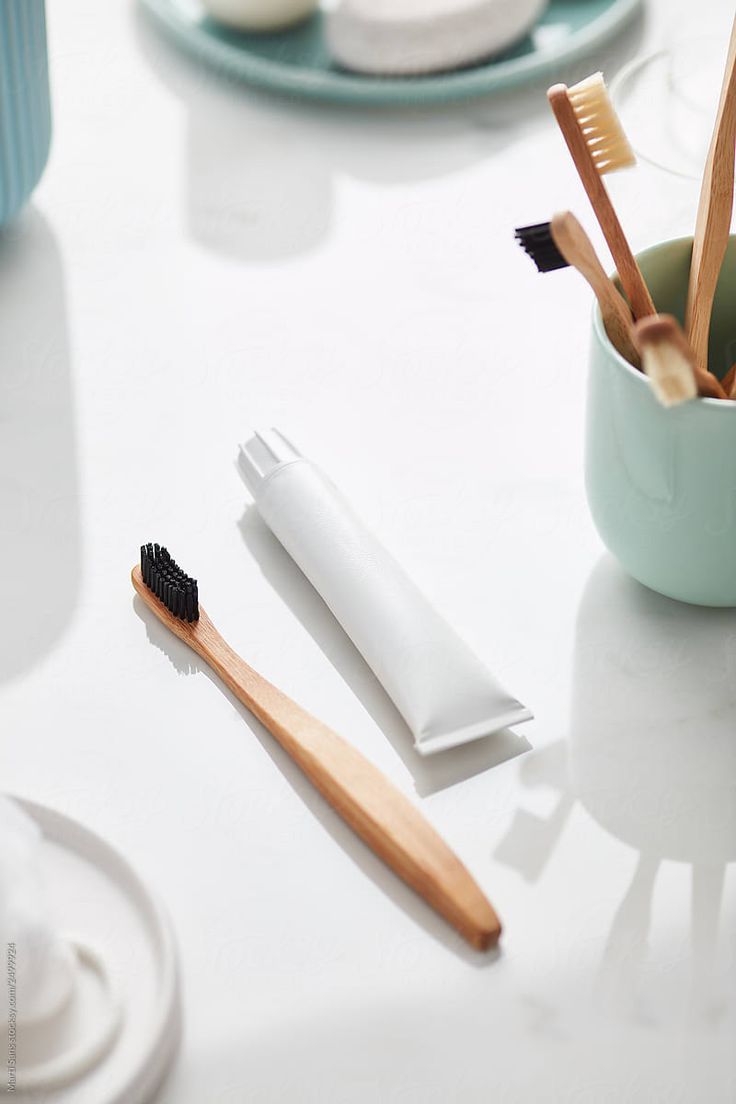 | Flavours Oral Care Flavours Oral care flavour development sits at a unique intersection of sensory pleasure and functional sensation. |
Frequently asked questions
What should an oral-care flavour project include?
Ask for a written brief review, prototype samples, a use-level series, formulation notes, finished-formula testing and production specifications.
How do you write a flavour brief that a manufacturer can use?
State the product type, target taste, ingredients, pH, processing temperature, dosage range, packaging, claims and sensory problems the flavour must solve.
How are dosage and finished-formula performance evaluated?
Test multiple dosage levels in the actual toothpaste, mouthwash or other finished base, then compare taste, odour, colour, mouthfeel, aftertaste and stability.
Which development, stability and scale-up records should you expect?
Request sample identification, formulation and dosage notes, test conditions, stability observations, batch details, specifications and instructions for transferring the flavour to production.
How should you compare an oral-care flavour manufacturer in Lucknow?
Compare technical brief quality, application testing, sample traceability, stability evidence, scale-up support, communication and the supplier’s ability to customise an oral-care flavour solution.