

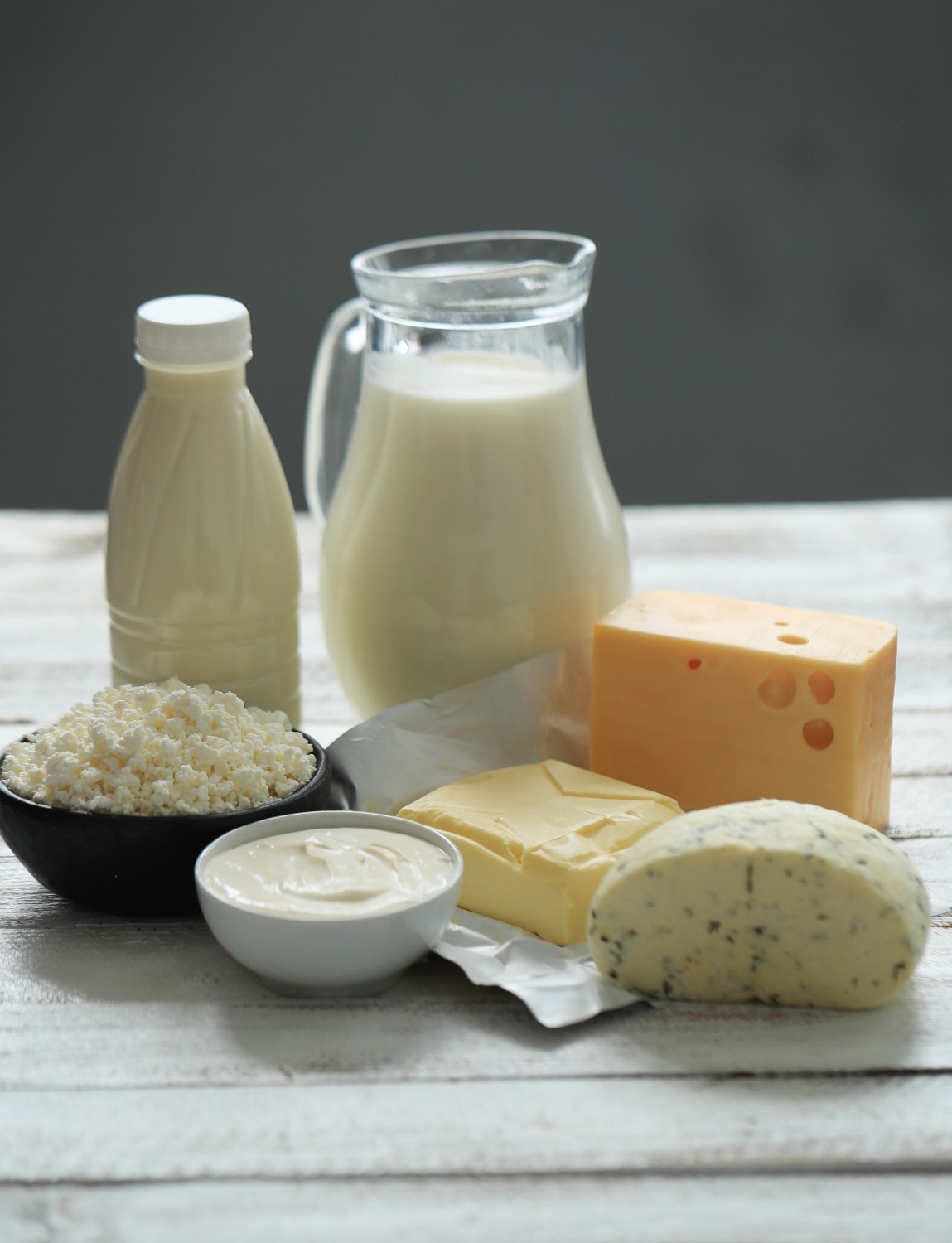
A dairy flavour that performs in plain milk can weaken after fermentation, disappear in ice cream, or develop an unwanted cooked note after UHT treatment. You need a product-specific brief, controlled dosage trials, process simulation, and finished-product compliance checks before approving a flavour for production.
Key takeaways
- Define flavour targets by dairy matrix, dosage, process and shelf-life requirement.
- Match liquid, emulsion or powder format to the finished product.
- Test flavour through heating, fermentation, homogenisation, freezing and storage.
- Compare suppliers using validated batch cost and repeatability, not sample price alone.
Turn each dairy product into a measurable flavour brief
A flavour brief must describe the finished dairy matrix, not just “strawberry” or “vanilla.” Effective dairy product flavour development starts with measurable targets that let the manufacturer reproduce performance after processing and storage.
1. Name the product and format: yoghurt, flavoured milk, lassi, ice cream, dairy dessert, paneer-based product, cheese spread or milk powder. State whether the flavour should add character, preserve a standard dairy profile or mask a defined off-note.
2. Record the base composition: fat percentage, protein source and percentage, total solids, milk powder or plant-derived ingredients, pH or titratable acidity, sugar or sweetener system, stabilisers and emulsifiers.
3. Describe processing: pasteurisation or UHT temperature and hold time, homogenisation pressure or method, fermentation culture and duration, freezing conditions, drying method, and when the flavour will be added.
4. Define the sensory target with a reference sample, flavour strength, sweetness balance, acidity, aftertaste, colour expectation and target dosage range.
5. State packaging type, serving temperature, intended shelf life and storage conditions. Test fermented products before fermentation, after fermentation and at the end of shelf life.
6. Request the dairy flavour manufacturer requirements: regulatory status, permitted-use category, composition or carrier, allergen information and finished-label review under FSSAI rules. Review claims such as “natural,” “fruit” and “no artificial flavour” before approval.
Without these details, a flavour that succeeds in plain milk can fail after acidification, freezing, oxidation or package contact.
Match the flavour format and dosage to the finished dairy matrix
Run each flavour at three dosage points—low, target and high—in the finished dairy matrix, not on a blotter. Record dosage in g/kg, then compare the flavoured sample with an unflavoured control at the same temperature and serving age.
- Use plain milk to screen milk, cream and cooked notes before adding sugar or stabilisers.
- Use fermented yoghurt or lassi to judge fruit release against pH, acidity and fermentation-derived notes.
- Use the final ice-cream mix or dairy dessert after homogenisation, freezing and tempering; cold suppresses aroma and exposes weak dosage.
- Test paneer products, cheese spreads and milk powders in their intended reconstituted or cooked application, because fat, protein and moisture change release.
Format selection must follow the matrix. Water-soluble liquids suit low-fat milk but can lose impact in high-fat systems; oil-dispersible flavours suit fat-rich desserts but can separate or create ring formation. Emulsions help distribute fruit flavours in beverages, while encapsulated systems protect volatile notes during heat or storage but need validated dispersion.
For custom dairy flavours for manufacturers, request the addition sequence, pre-dilution method and dosage range. Custom dairy flavour solutions in Kolkata should also be assessed against the finished label category: flavouring preparation, flavoured dairy product or standard product whose characteristic flavour must remain intact.
Design trials around heat, fermentation, homogenisation and freezing
Processing can remove top notes, alter acidity perception, trap aroma in fat, or reduce release after freezing. A flavour that performs well in plain milk can therefore fail in the finished dairy matrix.
Run process-simulation trials that mirror the production sequence:
- Heat: compare addition before and after pasteurisation or UHT treatment. High temperatures can strip fruit and citrus volatiles or create cooked, caramelised and sulphurous notes.
- Fermentation: evaluate the sample before inoculation, after the target fermentation time and after shelf-life storage. Falling pH can sharpen fruit notes and make vanilla, cream or caramel seem weaker.
- Homogenisation: check dispersion, clouding, surface rings and sediment after the actual pressure and pass sequence. Oil-dispersible systems can separate if the flavour is added at the wrong stage.
- Freezing: test the mix before freezing, immediately after hardening and after temperature cycling. Ice formation concentrates unfrozen solids and changes aroma release, so an ice-cream flavour may need a different dosage from a milk beverage.
Dairy product flavour development should record the addition point, temperature-time profile, shear conditions and storage temperature for every sample. For custom dairy flavours for manufacturers, approve the flavour only after sensory performance, physical stability and dosage remain acceptable in the finished product, not just in a laboratory milk base.
Separate flavour problems from dairy off-notes
Start with an unflavoured control from the same dairy base, batch and package. Compare it with the flavoured sample before deciding that the flavour needs correction.
A brief for custom dairy flavour solutions in Kolkata must state whether the goal is to add strawberry character, preserve plain yoghurt’s natural profile, or reduce an unwanted note without creating an artificial one.
- Check feed, oxidised, rancid, cardboard and cooked-milk notes in plain milk or the unflavoured finished product.
- Test the flavour in the actual matrix: fermented yoghurt, flavoured milk, lassi, ice cream mix or dairy dessert.
- Compare samples before fermentation, after fermentation and at the intended shelf-life point.
If the control already tastes rancid, cardboard-like or excessively cooked, correct milk quality, heating, oxygen exposure, culture performance or packaging first. Do not increase flavour dosage to cover it; the defect will return as the flavour fades or interacts with storage.
Use a spiked control containing the proposed flavour at its target dosage. If the unwanted note appears only after flavour addition, investigate carrier compatibility, dispersion and oxidation before changing the profile. Keep a retained reference for each comparison.
Check compatibility, compliance and shelf life before approval
Do not approve a dairy flavour from bench-top sensory acceptance alone. A dairy product flavour development gate must confirm performance in the finished matrix, through processing and across shelf life. Apply the dairy flavour manufacturer requirements to the flavour concentrate and the finished product label.
| Test or document | Pass requirement | Failure consequence |
|---|---|---|
| Process simulation | Survives pasteurisation, UHT, homogenisation, fermentation or freezing at production conditions | Aroma loss, cooked notes or a weak top note after processing |
| Matrix compatibility | No sediment, creaming, ring formation, separation or protein instability | Uneven flavour and rejected packs |
| Fermented-product check | Compare before fermentation, after acidification and at shelf-life end; record pH and culture conditions | Fruit becomes harsh, or vanilla and cream disappear |
| Safety and compliance | FSSAI status, permitted-use category, composition, carrier, dosage and microbiological controls are documented | Trial or label cannot move to scale-up |
| Shelf-life validation | Use the intended package, retained reference and defined storage conditions; check oxidation and packaging adsorption or permeation | Rancid, cardboard or faded flavour reaches consumers |
Before pilot approval, require a signed specification covering flavour identity, dosage range, storage, batch limits, allergens, declaration wording and acceptance criteria. Review claims such as “natural,” “fruit,” “no artificial flavour” and “without added sugar” against the finished label, not the concentrate alone. Run pilot confirmation before releasing the first commercial batch.
Compare Kolkata suppliers by validated batch cost and repeatability
Compare suppliers on the cost of an approved batch, not the price per kilogram of concentrate. For customize flavour solutions for dairy products in Kolkata, calculate the validated use level in the finished product, including dilution, minimum order quantity, freight, storage and rework risk.
| Measure | Supplier A | Supplier B | Supplier C |
|---|---|---|---|
| Validated cost per litre or batch | Record at approved dosage | Record at approved dosage | Record at approved dosage |
| Repeatability | Compare three production batches with the retained reference | Compare three production batches with the retained reference | Compare three production batches with the retained reference |
| Technical file | Composition, carrier, FSSAI status and finished-label guidance | Composition, carrier, FSSAI status and finished-label guidance | Composition, carrier, FSSAI status and finished-label guidance |
| Supply risk | Lead time, MOQ and raw-material change notice | Lead time, MOQ and raw-material change notice | Lead time, MOQ and raw-material change notice |
| Shelf-life evidence | Intended package, oxidation control and sensory reference | Intended package, oxidation control and sensory reference | Intended package, oxidation control and sensory reference |
For custom dairy flavour solutions in Kolkata, reject a low quote if the supplier cannot reproduce the approved sample after raw-material changes. Ask Khattri Aromas LLP for the same batch evidence you request from every competing flavour house.
Test the chosen flavour in the actual package, not only in a fresh cup. Check whether fat, packaging contact or storage creates rancid, cardboard or faded notes.
Related product
 | Flavours Dairy Flavour Dairy is among the most technically demanding flavour categories, because dairy's own rich, complex flavour chemistry — built from milk fat,... |
Frequently asked questions
What should a dairy flavour brief include?
Specify the finished dairy matrix, target flavour profile, dosage range, processing conditions, storage period and acceptable batch-to-batch variation.
How do you choose a flavour format for dairy products?
Choose liquid, emulsion or powder after checking dispersion, fat and water compatibility, processing temperature and the required dosage in the finished matrix.
Which processing conditions must dairy flavours withstand?
Test the flavour through heating, fermentation, homogenisation, freezing and storage when those steps form part of the product process.
How can you distinguish a flavour defect from a dairy off-note?
Compare flavoured and unflavoured controls made from the same base, then assess the effect of milk quality, oxidation, cultures and processing separately.
How should you compare Kolkata dairy flavour suppliers?
Compare validated batch cost, dosage, sensory performance after processing, documentation, lead time and repeatability across production batches.